
Warrantable vs. non-warrantable condos: why it matters for your mortgage
August 19, 2026 · 5 min read · Rachel Shapiro, William Raveis Real Estate
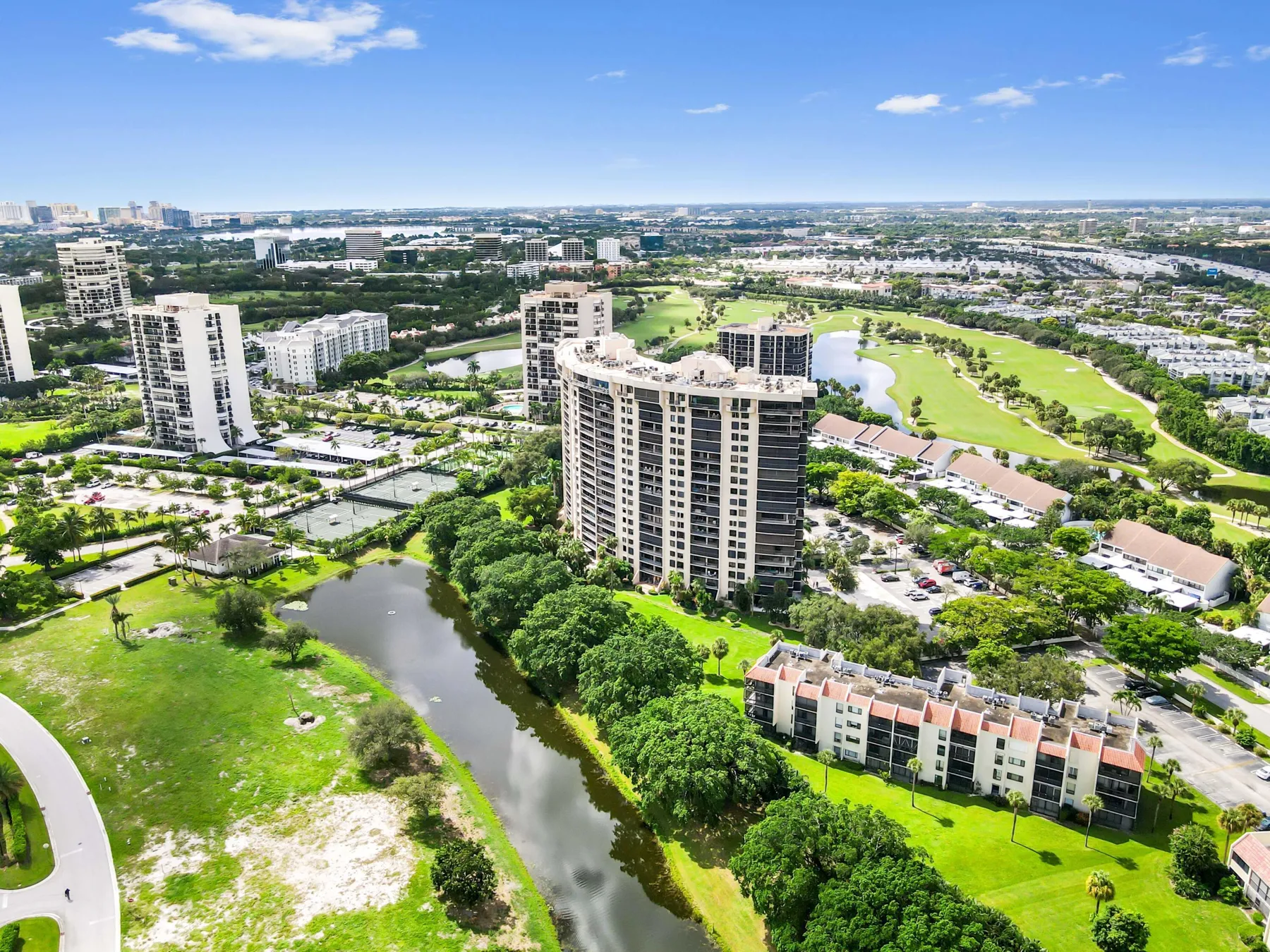
A warrantable condo is in a building that meets Fannie Mae or Freddie Mac project standards, so you can finance it with a conventional mortgage. A non-warrantable condo is in a building that fails one or more of those standards, which usually means fewer loan choices, a larger down payment or a cash purchase. In Florida, older towers facing inspections, repairs or special assessments are the ones most likely to be flagged.
What "warrantable" actually means
Most American mortgages are conventional loans that lenders sell to Fannie Mae or Freddie Mac. Those two companies buy condo loans only when the condominium project, not just the borrower, meets their standards. A building that meets them is called "warrantable," because the lender can warrant to Fannie Mae or Freddie Mac that the project is eligible. A building that does not is "non-warrantable."
The word does not appear on a listing, and it is not a judgment of the unit itself. A beautifully renovated apartment can sit in a non-warrantable building, and a plain one can sit in a warrantable building. What changes is how you can finance it.
This is general information, not lending or legal advice, so please confirm how any rule applies to your purchase with your lender or attorney.
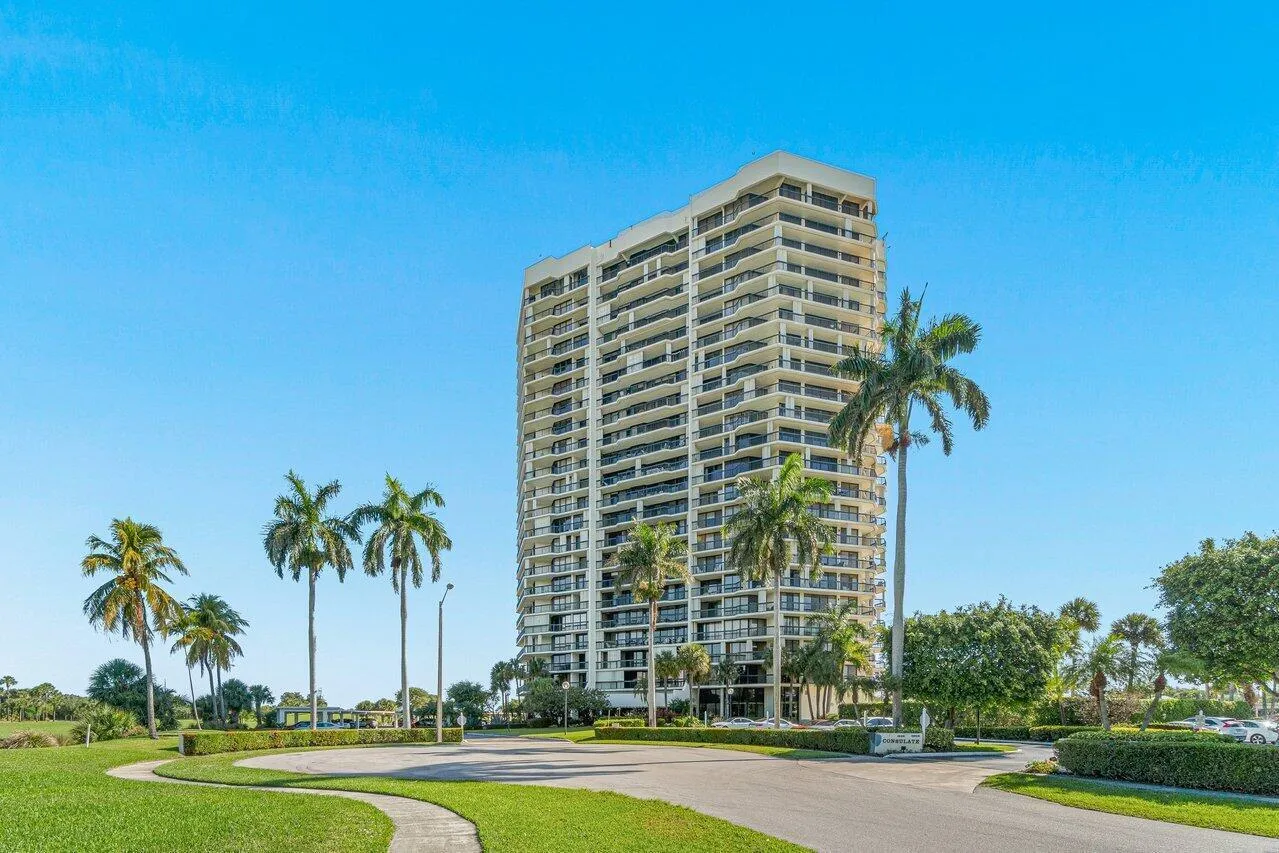
The project rules lenders check
Fannie Mae's Selling Guide section B4-2.1-03, Ineligible Projects (updated August 5, 2026) lists the characteristics that make a project ineligible. The ones Florida buyers run into most often are:
- Single-entity ownership. In a project of 21 or more units, one person or company cannot own more than 20% of the units (smaller projects have tighter limits). There are narrow exclusions, such as unsold developer units that are vacant and being marketed.
- Commercial space. Commercial and other nonresidential space generally cannot exceed 35% of the project's total square footage.
- Litigation. A project is ineligible if the association is a party to pending litigation, with exceptions for minor matters such as cases where expected damages and legal costs are small relative to funded reserves. Suits involving safety, structural soundness or habitability are the serious ones.
- Critical repairs and unsafe conditions. Projects needing repairs that significantly affect safety, soundness, structural integrity or habitability are ineligible. The guide includes unfunded repairs costing more than $10,000 per unit that should be done within 12 months, failed mandatory structural inspections, and any building under an evacuation order for an unsafe condition until it is fixed and deemed safe.
Fannie Mae's full review process (B4-2.2-01) adds financial tests. The association's budget must set aside at least 10% for replacement reserves, and no more than 15% of the units can be 60 or more days behind on their assessments. Freddie Mac applies its own, broadly similar project standards, and FHA and VA loans use separate condo approval processes.
Why the rules got stricter after 2021
After the Champlain Towers South collapse in Surfside in June 2021, Fannie Mae issued Lender Letter LL-2021-14 with temporary requirements for condo and co-op projects, effective for loans delivered from January 1, 2022. Projects with significant deferred maintenance, or with a directive from a regulator or inspector to fix unsafe conditions, became ineligible until the repairs were made. Lenders were also told to look harder at special assessments, inspection reports and board minutes. That shift is why a building that financed easily for years can suddenly be flagged.
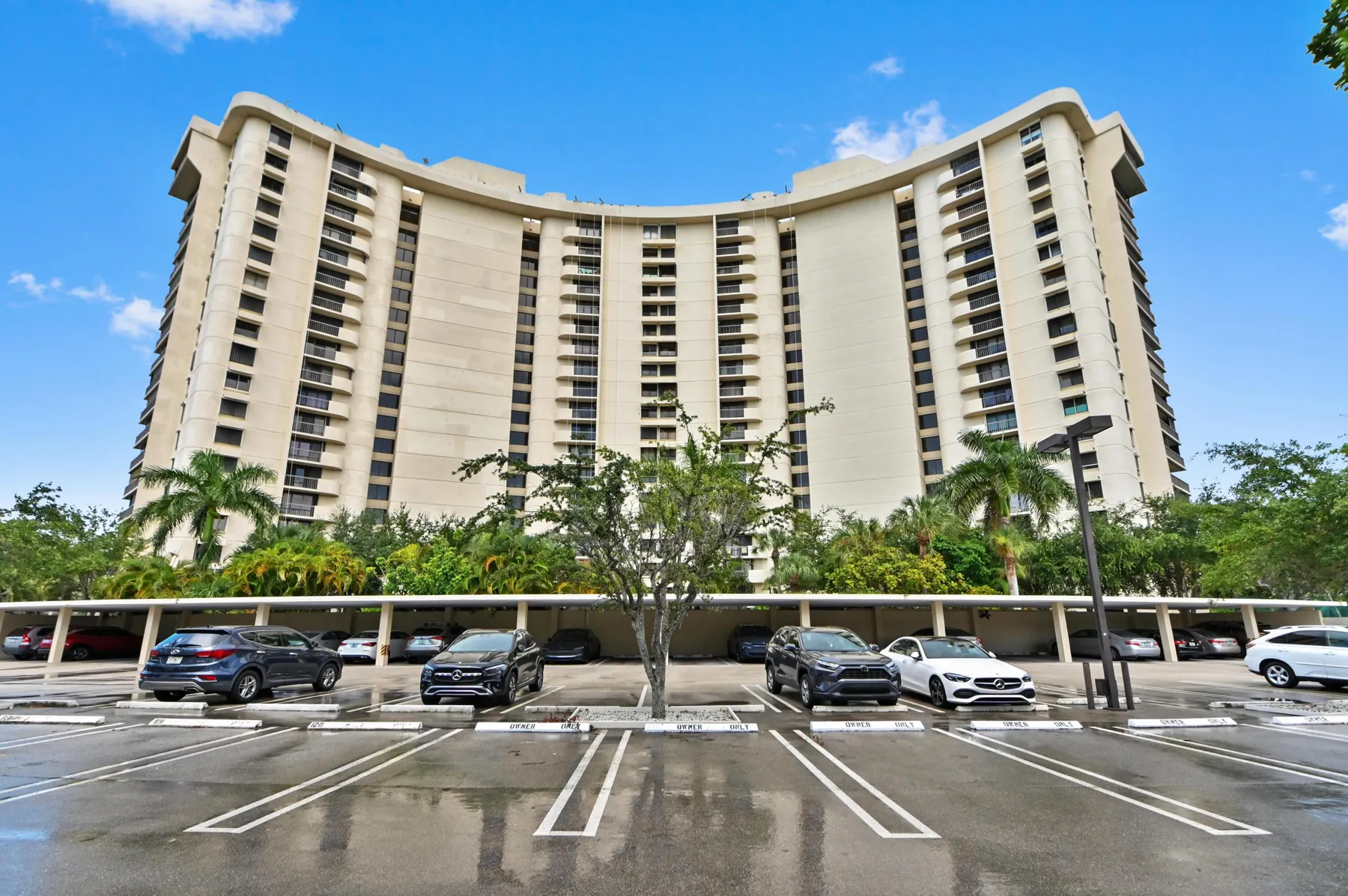
Why older Florida towers get flagged
Florida responded to Surfside with its own laws. Under section 553.899, Florida Statutes, condo buildings three or more habitable stories tall need a milestone structural inspection by December 31 of the year they turn 30 (or 25, if the local building official requires it), and every 10 years after. Section 718.112 requires a structural integrity reserve study and bars owners from voting to waive or underfund those reserves.
These rules are good for owners over the long run, but in the short run they surface repair needs and produce large special assessments. A pending concrete restoration project, a recent inspection that found deficiencies, or reserves that are still catching up can each put a building on a lender's watch list. It does not mean the building is unsafe today. It means the paperwork has to show the work is funded and moving.
The condo questionnaire
To check a project, your lender sends a condo questionnaire to the association or its management company. Many lenders use the standard Fannie Mae Form 1076 (Freddie Mac Form 476), and some use their own version. It asks about the number of units, how many are owner occupied, single-entity ownership, commercial space, delinquent dues, reserves, insurance, pending litigation, special assessments and any known structural or safety issues. The lender also typically asks for the budget, the master insurance policy and, for many older buildings, the milestone inspection and reserve study.
Associations usually charge a fee to complete the questionnaire, and turnaround can take days or weeks. Ask for it as soon as you are under contract, because a surprise answer late in the process can push back closing.
Your options if the building is non-warrantable
A non-warrantable building is not a dead end. It narrows the menu:
- Portfolio loans. Some banks and credit unions keep loans on their own books rather than selling them, so they set their own condo rules.
- Non-QM loans. Non-qualified mortgage lenders specialize in loans outside the standard rules. Expect a higher rate and stricter terms than a conventional loan.
- A larger down payment. Non-warrantable financing commonly requires more money down, often well above the minimum for a conventional loan.
- Cash. Paying cash removes the project review entirely, though you should still read the inspection reports and budget for your own protection.
Keep resale in mind too. If a building stays non-warrantable, your future buyers face the same limited choices, which can shrink the pool of buyers. If the building's problem is temporary, such as a repair already funded and underway, the status may change once the work is done.
If you would like a lender who works with these buildings regularly, William Raveis Mortgage is affiliated with our brokerage. You are free to choose any lender or insurer.
How to protect yourself before you write an offer
- Ask your lender early whether it can finance the specific building, before you are deep into a contract.
- Request the association's budget, reserve study, milestone inspection, recent board minutes and a list of current or planned special assessments.
- Run the full monthly cost, including maintenance fees and any assessment, through our condo cost calculator.
- Build a financing contingency and enough time into the contract for the questionnaire to come back.
When you are ready to compare buildings, start with our West Palm Beach condos for sale, and ask about each building's financing history as you go.
Frequently asked questions
How do I find out if a condo is warrantable?
Ask a lender to review the specific building early. The lender sends a condo questionnaire to the association and reviews the budget, insurance and inspection documents against Fannie Mae or Freddie Mac rules.
Can I get a mortgage on a non-warrantable condo?
Often, yes. Portfolio lenders and non-QM lenders make these loans, usually with a larger down payment and a higher rate than a conventional loan.
Does a special assessment make a condo non-warrantable?
Not by itself. Lenders look at what the assessment pays for and its status, and a project with unremediated critical repairs tied to safety or structural integrity is ineligible until the work is done.
What reserves does Fannie Mae require?
In a full project review, the association budget must allocate at least 10% to replacement reserves, and no more than 15% of units can be 60 or more days delinquent on assessments.
Can a non-warrantable building become warrantable again?
Yes. If the issue is fixed, for example repairs are completed, litigation is resolved or delinquencies fall, the project can meet the standards again on a later review.
General information only, not legal or tax advice. Listing details deemed reliable but not guaranteed. Published August 19, 2026.