
Buying a condo in Florida in 2026: the steps, the costs and the new condo laws
September 16, 2026 · 10 min read · Rachel Shapiro, William Raveis Real Estate
Buying a condo in Florida in 2026 follows the usual steps of any purchase, plus several that are specific to condos: the association's approval, a lender's review of the whole building, an HO-6 insurance policy, an estoppel certificate for the fees, and a document review that now includes the building's milestone inspection and structural integrity reserve study (SIRS). Since budgets adopted on or after December 31, 2024, owner-run associations in buildings three stories or taller can no longer waive reserves for structural items, so fees and special assessments now track a building's real repair needs. On a resale, if you did not receive the required condo documents before signing, you can cancel within 7 days of receiving them, excluding weekends and legal holidays, or before closing, whichever comes first.
Buying a condo in Florida: the steps in order
- Get pre-approved, and tell the lender it is a condo. A condo loan depends on the building as well as on you, so the lender will review the association's finances and condition (see financing below).
- Read the building's rules before you offer. Pet, leasing, renovation and approval rules differ from building to building and are set by each association's declaration, bylaws and rules.
- Make an offer and sign the contract. On a resale, Florida law requires specific condo disclosures in the contract, including your right to cancel after receiving the association's documents.
- Review the condo documents. The seller must provide the declaration, bylaws, rules, budget, financial statement and, now, the milestone inspection summary and SIRS. You have 7 days to cancel after receiving them if you did not have them before signing.
- Inspect the unit. Hire a licensed home inspector for the residence itself. The building's structure is covered by the association's milestone inspection and reserve study, which you read in the documents.
- Apply for association approval, if the building requires it. Many Florida condominiums require the board to approve a buyer before closing, often with an application and an interview. Under section 718.112(2)(k), the transfer fee may not exceed $150 per applicant (adjusted for inflation every five years), and spouses count as one applicant.
- Insure the unit. The association insures the building; you insure the inside of your unit with an HO-6 policy, which lenders generally require.
- Order the estoppel certificate and close. The association states what is owed on the unit, and the closing agent collects it.
Financing a condo: warrantable and non-warrantable buildings
Many lenders sell their loans to Fannie Mae or Freddie Mac, so they check the building against their project standards. Under Fannie Mae's Selling Guide section B4-2.1-03, a project that needs critical repairs, including material deficiencies, significant deferred maintenance or unfunded repairs costing more than $10,000 per unit that should be done within the next 12 months, is ineligible until the repairs are completed. A special assessment tied to a critical repair that has not been remediated also makes the project ineligible. Buildings that fail these tests are called non-warrantable, and buyers usually need cash or a loan the lender keeps on its own books. Read more in our guide to warrantable vs. non-warrantable condos.
Condo insurance: the master policy and your HO-6
Under section 718.111(11), the association must carry adequate property insurance on the condominium property, based on a replacement cost appraisal at least every three years. The master policy does not cover your personal property or items inside the unit such as floor, wall and ceiling coverings, appliances and built-in cabinets; those are the owner's responsibility. Ask what the master policy's hurricane deductible is, because deductibles and uninsured losses are generally shared by all owners as a common expense. Our HO-6 guide explains what to buy.
Condo fees and the estoppel certificate
Your monthly cost is the mortgage payment plus the association fee, property taxes and insurance. The association fee usually covers the building's insurance, reserves, maintenance and some services, but it varies by building. At closing, the association issues an estoppel certificate, within 10 business days of a request under section 718.116(8), stating the assessments and other amounts owed on the unit. It matters because a new owner is jointly and severally liable with the previous owner for unpaid assessments that came due before the transfer. To see how a fee fits your budget, try our condo cost calculator, and see closing costs in Florida for who pays what.
Florida's new condo laws: SB 4-D, SB 154 and HB 913
Florida rewrote its condominium safety rules after the June 2021 collapse of Champlain Towers South in Surfside. The changes came in three main steps:
- SB 4-D (2022). Passed in a May 2022 special session and signed May 26, 2022 as Chapter 2022-269. It created mandatory milestone inspections, required structural integrity reserve studies and barred associations from waiving or reducing reserves for key structural items after a set date.
- SB 154 (2023). Signed June 9, 2023 as Chapter 2023-203. It refined who must get milestone inspections, added progress reports for engineers and architects, and replaced the original statewide 25-year rule for buildings within three miles of the coast with a local option that lets a county or city require earlier inspections where conditions such as salt water justify it.
- HB 913 (2025). Signed June 23, 2025 as Chapter 2025-175, mostly effective July 1, 2025. It extended the reserve study deadline for existing associations, raised the dollar threshold for extra items in the study and added more ways to fund reserves.
The rules now live mainly in section 553.899 (milestone inspections), section 718.112 (budgets, reserves and the reserve study) and section 718.503 (what a resale buyer must receive). The summary below follows the statute text as it reads in September 2026.
Milestone inspections: which Florida condo buildings and when
Under section 553.899, a milestone inspection is required for buildings three habitable stories or more in height that are wholly or partly condominium or cooperative property. The key dates:
- The first inspection is due by December 31 of the year the building reaches 30 years of age, measured from its certificate of occupancy.
- Buildings that turned 30 before July 1, 2022 had to complete their first inspection before December 31, 2024. Buildings that turned 30 between July 1, 2022 and December 31, 2024 had until December 31, 2025.
- After the first one, inspections repeat every 10 years.
- A local building official may require the first inspection at 25 years based on local conditions, including proximity to salt water, and may extend a deadline for good cause.
The inspection has two phases. In phase one, a licensed architect or engineer visually examines the building. If that review finds substantial structural deterioration, a more detailed phase two inspection follows to assess the damage and recommend repairs, and the inspector must report on its progress to the local building official. Within 45 days of receiving the report, the association must send every owner the inspector's summary, post it on the property and put the report on its website if it is required to have one.
Structural integrity reserve studies (SIRS): what buyers should read
A structural integrity reserve study looks at the building's major components and estimates how much money the association should set aside to repair or replace them. Under section 718.112(2)(g), buildings three habitable stories or higher need one at least every 10 years. The study must cover:
- Roof
- Structure, including load-bearing walls and primary structural members
- Fireproofing and fire protection systems
- Plumbing and electrical systems
- Waterproofing and exterior painting
- Windows and exterior doors
- Any other item with a deferred maintenance or replacement cost over $25,000 (or the inflation-adjusted amount set by the state) that affects those components. HB 913 raised this threshold from $10,000.
It must be performed or verified by a licensed engineer or architect, or by a certified reserve specialist or professional reserve analyst. For associations that existed on or before July 1, 2022 and are run by owners, the deadline is December 31, 2025, with a study allowed to accompany a milestone inspection due by the end of 2026, but no later than December 31, 2026. The study must also include a baseline funding plan that keeps the reserve balance above zero each year.
No more waiving reserves for SIRS items
For years, Florida condo owners could vote to waive or reduce reserves, which kept monthly fees low but left repairs unfunded. For budgets adopted on or after December 31, 2024, an owner-controlled association that must have a SIRS may not provide no reserves, or less than required, for the items in the study. Those reserve funds may be used only for the components they were collected for.
Associations do have some tools. Reserves may be funded through regular assessments, special assessments, lines of credit or loans, and the special assessment, loan or line of credit route needs a majority vote of the total voting interests. For budgets adopted on or before December 31, 2028, an association that completed a milestone inspection in the previous two calendar years may, with the same majority vote, temporarily pause reserve contributions for up to two consecutive annual budgets to pay for the repairs that inspection found.
What the condo laws mean for fees and special assessments
The law did not set a dollar figure for anyone's fee. It requires each building to fund what its own study says. In practice:
- A building that had already been funding reserves fully may see little change.
- A building that had waived reserves or put off repairs may need higher monthly assessments, a special assessment, a loan, or a mix of all three.
- Older buildings with phase two findings can face the largest near-term bills, since repairs and reserves are being paid for at the same time.
When the board proposes a budget with assessments above 115% of the prior year, it must also offer a substitute budget without discretionary spending, so owners can see what is optional. For how special assessments are split and what to ask before you buy, read special assessments in Florida condos.
Documents to request before you buy a Florida condo
| Document | What to look for |
|---|---|
| Milestone inspection summary and full report | Whether phase two was required, what repairs were recommended, and deadlines |
| Most recent SIRS | Component list, remaining useful life, and the recommended annual reserve contribution |
| Current annual budget | Whether reserve funding matches the SIRS funding plan |
| Annual financial statement | Actual reserve balances and any loans or lines of credit |
| Board and owner meeting minutes | Discussion of repairs, bids, special assessments or litigation |
| Declaration, bylaws and rules | Pet, leasing and renovation rules, and the approval process for sales |
Associations that manage 25 or more units must also post key association documents on a website or app under section 718.111(12)(g), so you can often read them before you make an offer.
Your right to cancel: 7 days on a resale, 15 days from a developer
Under section 718.503(2), the seller of a resale unit must give the buyer, at the seller's expense, current copies of the declaration, articles, bylaws and rules, the annual financial statement and budget, the milestone inspection summary if applicable, the most recent SIRS (or a statement that none has been completed), any turnover inspection report, and the association's question and answer sheet. If the buyer does not receive them before signing, the contract is voidable by written notice within 7 days after receipt, excluding weekends and legal holidays, or before closing, whichever comes first.
For resale contracts signed after December 31, 2024, the contract must also address the milestone inspection, turnover inspection report and SIRS specifically, either confirming the buyer received them more than 7 days before signing or giving the same 7-day right to cancel. A contract that does not follow these rules is voidable by the buyer before closing. If you buy a new condo from the developer, section 718.503(1) gives you 15 days after you sign the contract to cancel by written notice. This is general information, not legal advice; have a Florida real estate attorney review your contract and the association's documents.
Applying it to a high-rise like The Consulate
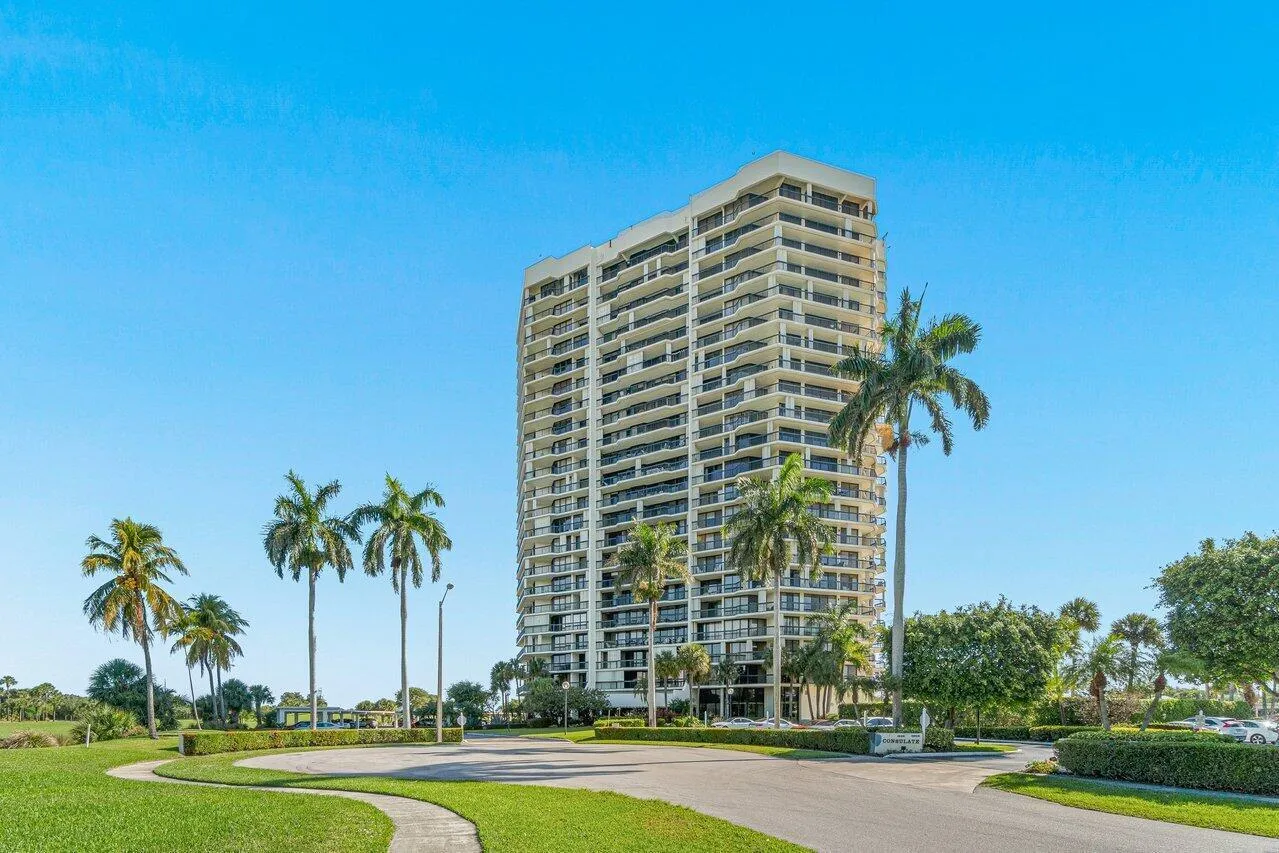
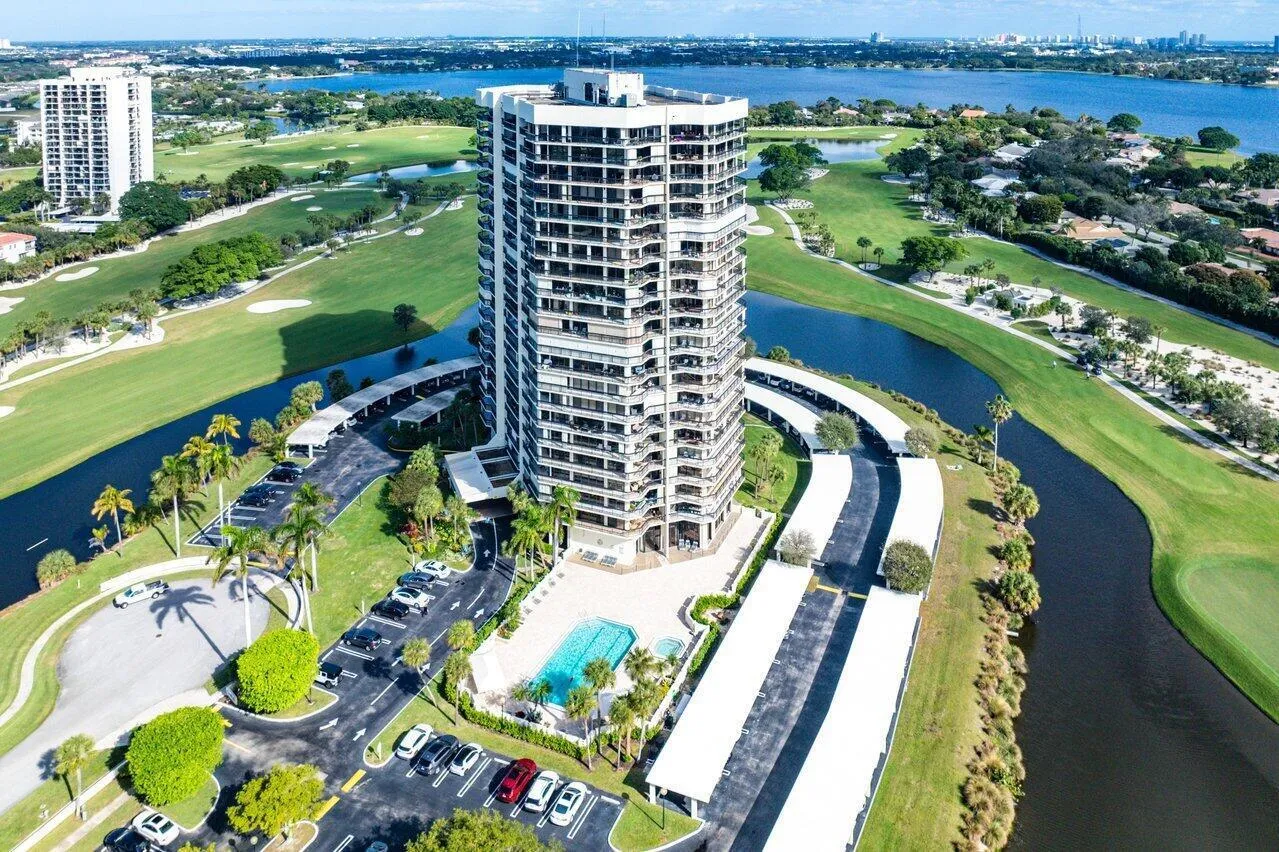
A 21-floor tower such as The Consulate in the Lands of the President is well above the three-story line, so both the milestone inspection and the SIRS rules apply. The useful question for any building is not whether it is covered, but where it stands: when the last inspection and study were done, whether the budget follows the study's funding plan, and whether any special assessment is pending or proposed. Those answers are in the documents above.
Frequently asked questions
What are the steps to buying a condo in Florida?
Get pre-approved and tell the lender it is a condo, read the building's rules, sign a contract with the required condo disclosures, review the association's documents, inspect the unit, get association approval if required, buy an HO-6 policy, then close after the estoppel certificate confirms what is owed.
Is it a good idea to buy a condo in Florida in 2026?
It depends on the building more than the market. Under the post-Surfside laws, fees and special assessments now follow each building's reserve study, so read the milestone inspection, the SIRS, the budget and recent minutes before you commit.
Do I need association approval to buy a Florida condo?
Many buildings require it, depending on the declaration. The board may ask for an application and an interview, and the transfer fee may not exceed $150 per applicant under section 718.112, adjusted for inflation every five years.
Can I get a mortgage on any Florida condo?
No. Lenders review the whole building. Under Fannie Mae's rules, a project that needs critical repairs, including significant deferred maintenance, is ineligible until the repairs are done, so some buildings need cash or a portfolio loan.
What is a milestone inspection in Florida?
It is a structural inspection by a licensed architect or engineer required for condo and co-op buildings three habitable stories or taller, first by December 31 of the year the building turns 30 and then every 10 years. A more detailed phase two follows if the first visual review finds substantial structural deterioration.
What does a structural integrity reserve study cover?
It covers the roof, structure, fireproofing and fire protection, plumbing, electrical, waterproofing and exterior painting, windows and exterior doors, plus other items over $25,000 that affect them. It sets out how much the association should reserve each year.
Can a Florida condo association still waive reserves?
For budgets adopted on or after December 31, 2024, an owner-controlled association that must have a SIRS cannot waive or reduce reserves for the study's items. Reserves for other items follow separate rules.
How long do I have to review condo documents on a resale?
If you did not receive the required documents before signing, you can cancel by written notice within 7 days after receiving them, not counting weekends and legal holidays, or before closing, whichever comes first. On a new condo bought from the developer, you have 15 days after signing.
Will the new condo laws raise my fees?
It depends on the building. Associations that already funded reserves fully may see little change, while those that waived reserves or deferred repairs may raise assessments, levy a special assessment or borrow.
General information only, not legal or tax advice. Listing details deemed reliable but not guaranteed. Published September 16, 2026.