
Why isn't my condo selling? Common reasons and what to do
October 27, 2026 · 3 min read · Rachel Shapiro, William Raveis Real Estate
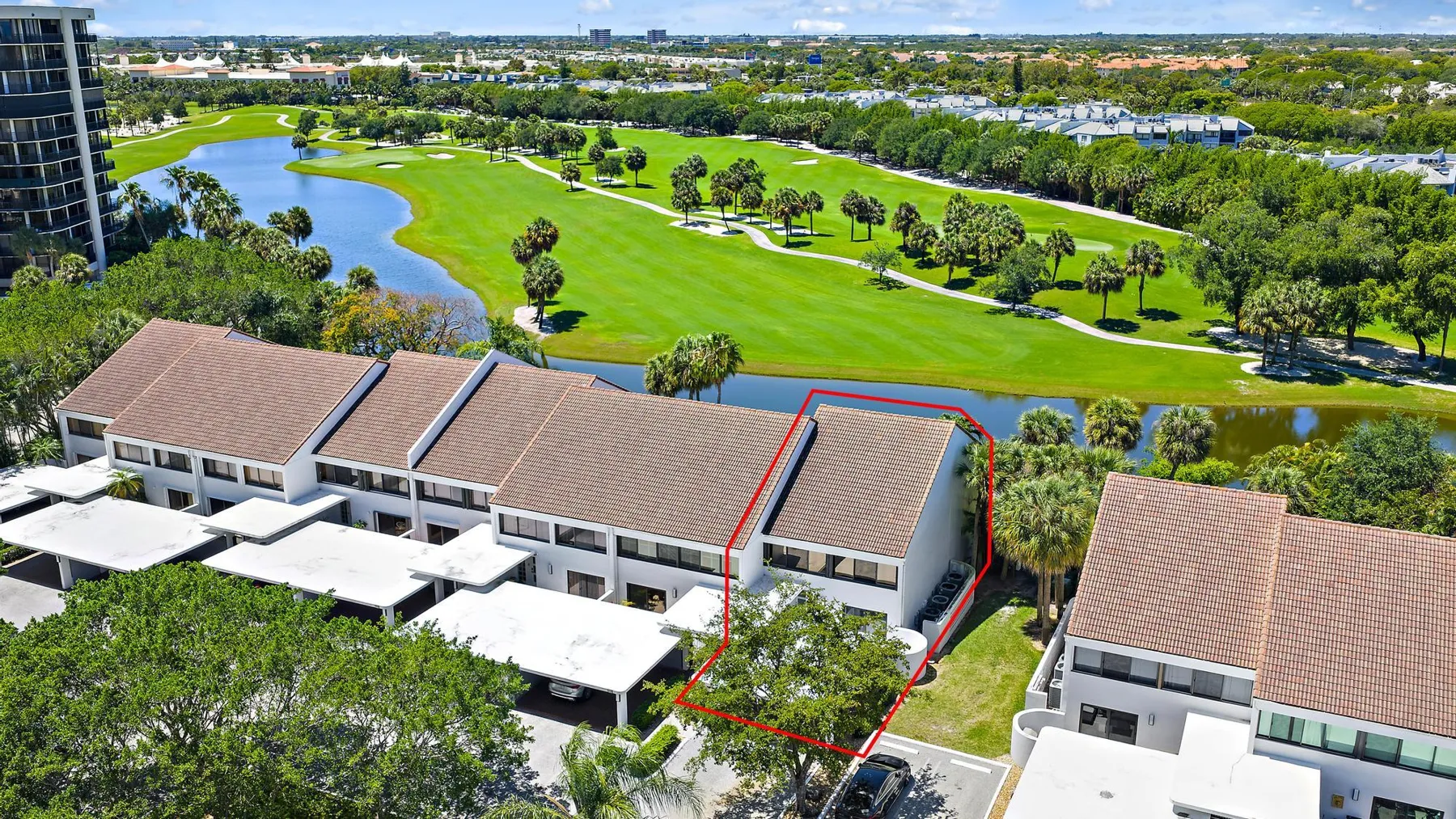
When a condo sits unsold, the cause is almost always one of four things: the price compared with recent sales and current competition, how the unit shows, the costs a buyer would take on, such as fees or a pending special assessment, or something about the building that limits buyers or financing. Each one has a practical fix, and most start with an honest look at the comps.
Living with a listing that won't move
Few things in real estate wear people down like a home that will not sell. The mortgage, taxes, insurance and association fees keep coming, and if you have already moved, you may be carrying two places at once. You keep the unit spotless for showings that never turn into offers, and it is easy to start taking the silence personally. It helps to remember that the market is not judging you or your home. Buyers are comparing it with everything else they can buy, and the reason it is being passed over can usually be found.
1. The price is set against the wrong comparisons
Buyers price a condo against recent closed sales, especially in the same building, and against the other units they are touring this week. Other asking prices, online estimates and what the market paid at its peak do not count for much with them. If similar units in your building sold for less in the last few months, or a better-located unit is listed nearby for the same money, buyers will notice. Our guide to comparative market analysis explains how to read the comps, including the expired listings that show where the market has already said no.
If you reduce the price, one meaningful reduction usually does more than several small ones. Small cuts rarely bring a home into a new search range and can signal that more cuts are coming.
2. Buyers keep raising the same objection
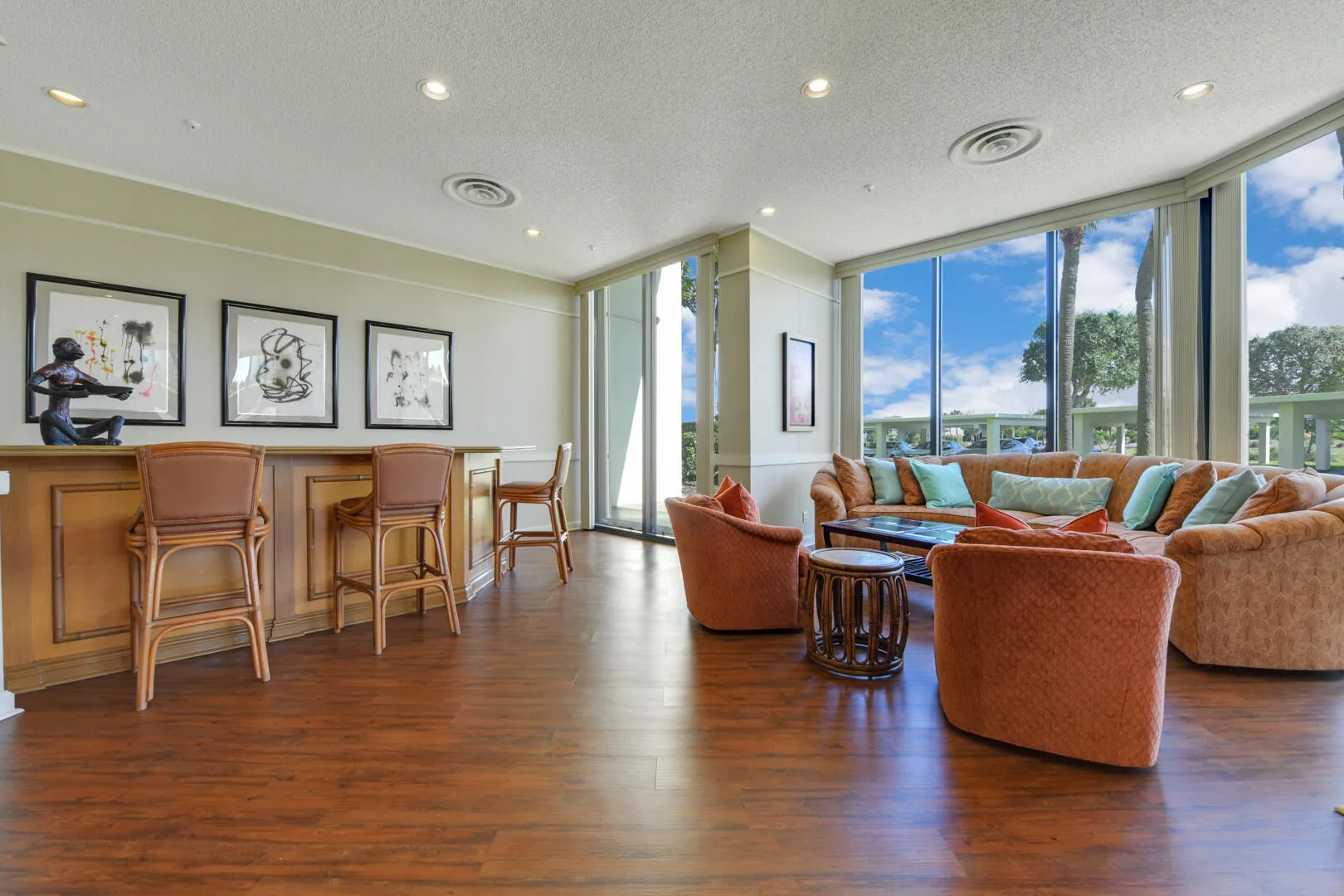
Ask your agent for the feedback from every showing. If several buyers mention the same thing, such as a dated kitchen, a smell, dark rooms or furniture that makes the space feel small, that is your answer. Fix what is inexpensive to fix, like paint, lighting, deep cleaning and decluttering. Price for what is not, and make sure the photos show the view and the light at their best, since that is where most buyers decide whether to visit.
3. The cost of owning, not just the price
Condo buyers look at the monthly total: mortgage, association fee, insurance and property tax. A high association fee, a recent increase, or a special assessment that has been levied or discussed can rule a unit out for many buyers whatever the price. Be upfront about it. Offering to pay a levied assessment at closing or credit the buyer for it removes the biggest worry most buyers have. Our post on special assessments in Florida condos covers how they are handled in a sale.
Concessions can work without changing the advertised price. A credit toward the buyer's closing costs or a mortgage rate buydown can bring buyers in who are stretching to make the monthly numbers work.
4. Something about the building limits buyers
Some obstacles have nothing to do with your unit. If the building has not completed its required milestone inspection or structural integrity reserve study, or a lender's condo questionnaire turns up problems, buyers may struggle to get a conventional mortgage. Our guide to warrantable and non-warrantable condos explains why. Leasing restrictions, pet rules and approval requirements also shrink the pool of buyers. You cannot change those rules on your own, but you can price for them and market directly to the buyers they suit, such as cash buyers or owner-occupants who are not planning to rent.
Other options if it still will not sell
Renting the unit out can carry the costs until the market improves, if the numbers work and the association allows it. Check first: many Florida condos set minimum lease terms, limit how often a unit can be leased, or do not allow leasing in the first years of ownership. Taking the unit off the market and relisting later with new photos, a new description and a new price can also help, because a fresh listing gets attention a stale one does not.
The fastest path back to a sale is usually an honest, building-specific price. Request one on our what is my home worth page, or see how we sell condos in Palm Beach.
Frequently asked questions
Why is my condo not selling?
Usually because of price against recent sales and current competition, how the unit shows, the cost of owning it such as fees or a pending special assessment, or building issues that limit buyers or financing. Showing feedback and recent comps usually point to which one.
Should I lower the price of my condo?
If recent sales in your building or nearby competition support a lower number, one meaningful reduction usually works better than several small ones, which rarely move a listing into a new search range.
Can I rent my condo out instead of selling?
Possibly. Check the association's leasing rules first, since many Florida condos set minimum lease terms, limit how often units can be leased, or do not allow leasing in the first years of ownership.
Does a special assessment make a condo harder to sell?
It can, because buyers count it as part of the cost of owning. Disclosing it and offering to pay it at closing or credit the buyer often removes the objection.
General information only, not legal or tax advice. Listing details deemed reliable but not guaranteed. Published October 27, 2026.