
What is a comparative market analysis (CMA)? And why an online estimate isn't your price
September 9, 2026 · 7 min read · Rachel Shapiro, William Raveis Real Estate
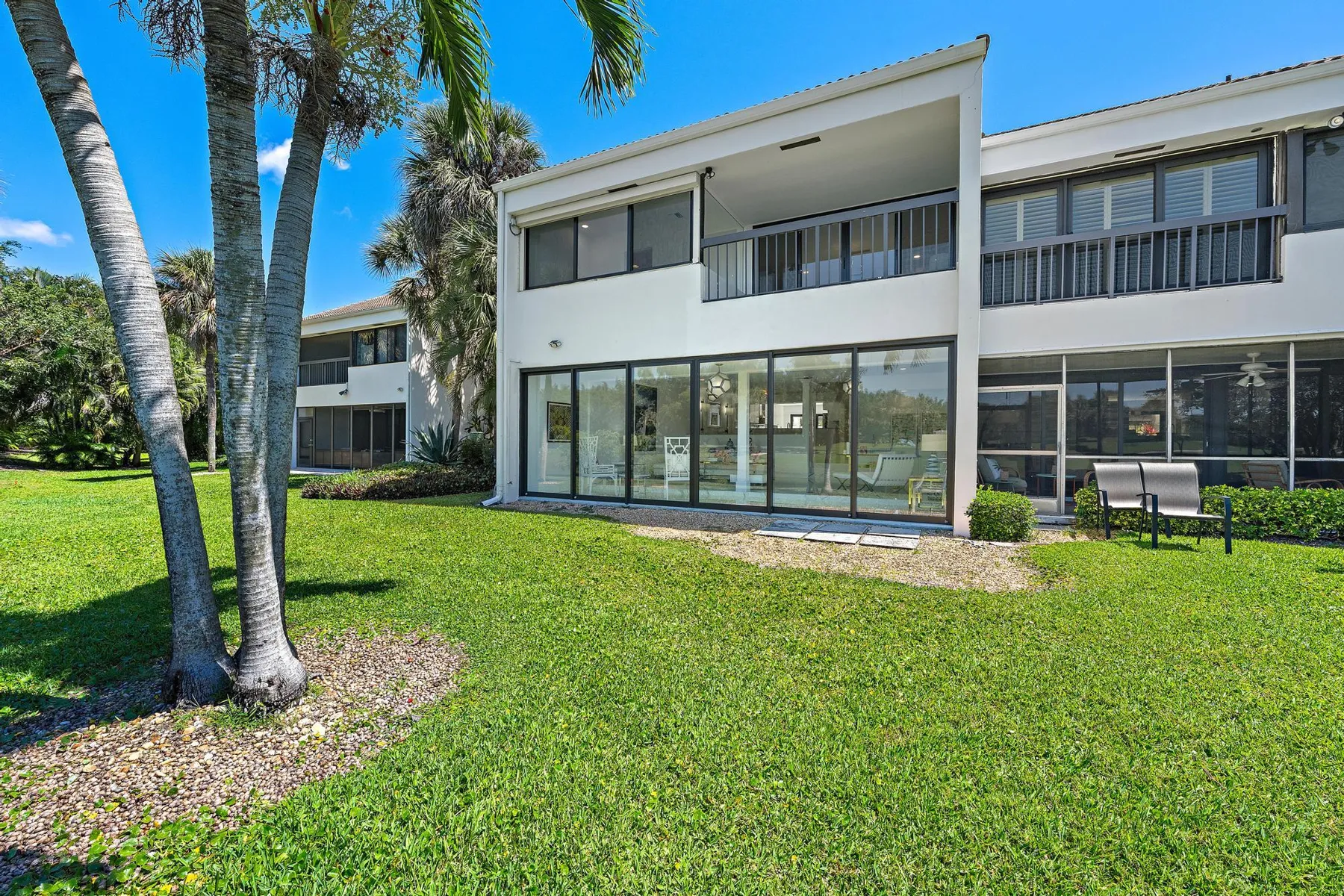
A comparative market analysis (CMA) is a real estate agent's estimate of what a home is likely to sell for, based on recent sales, pending deals, active listings and expired listings of similar properties, adjusted for the differences between them. It is not an appraisal, and it is far more specific than an online estimate. For condos, where floor, view, renovation and association fees can swing the price, the best CMA leans on sales in the same building.
What a comparative market analysis actually is
A comparative market analysis, usually shortened to CMA, is a written estimate of a home's likely sale price that a real estate agent prepares by studying similar properties nearby. When people ask "what is a CMA in real estate," the short answer is: it is the agent's homework on your price. It is the same work a buyer's agent does before writing an offer and a listing agent does before suggesting an asking price.
A CMA is not a formal valuation product with a fixed template. Its quality depends on the comps chosen, the adjustments made, and how well the agent knows the specific building or street. A careful CMA explains its reasoning so you can follow it and disagree with it if you want to.
The four kinds of comps in a CMA
A good CMA looks at more than recent sales. Each category tells you something different about the market.
- Sold (closed) comps. What buyers actually paid. These carry the most weight because they are facts, not hopes. Recent sales, ideally within the last three to six months, matter most.
- Pending comps. Homes under contract but not yet closed. The final price is usually not public until closing, but pendings show what is moving right now and at roughly what list price.
- Active comps. Your competition. A buyer touring your home is also touring these, so their asking prices set the ceiling a buyer will compare against.
- Expired and withdrawn comps. Listings that did not sell. These are the most underrated part of a CMA, because they show where the market said no.
Adjustments: where the judgment comes in
No two homes are identical, so a CMA adjusts each comp up or down to account for differences. If a comparable unit sold with a renovated kitchen and yours has the original one, that comp's price is adjusted down to estimate what it would have sold for in your condition. Common adjustment points include:
- Interior square footage and number of bedrooms and bathrooms
- Condition and the age and quality of renovations
- Floor level and exposure in a high-rise
- View (golf course, water, garden, parking area)
- Parking, storage and outdoor space such as balconies or patios
- Date of sale, since a sale from eight months ago may not reflect today's market
The adjustments are where an experienced agent earns their keep. Two agents can pull the same comps and arrive at different numbers, so ask to see how each adjustment was made.

CMA vs appraisal vs broker price opinion
These three are often confused. The table below shows how they differ.
| CMA | Appraisal | Broker price opinion (BPO) | |
|---|---|---|---|
| Prepared by | Real estate agent or broker | Licensed or certified appraiser | Real estate agent or broker |
| Usual purpose | Setting a list price or shaping an offer | Lender's mortgage decision, estates, divorces, tax matters | Usually ordered by lenders or servicers, for example on refinances, defaults or short sales |
| Cost to you | Typically free from an agent | Paid fee, often charged to the borrower | Usually paid by the party that orders it |
| Can it be called an appraisal? | No | Yes | No |
Florida law is explicit on that last row. Brokers and sales associates may prepare a comparative market analysis or give a price opinion in the ordinary course of business, but under section 475.612(3), Florida Statutes, it may not be referred to or construed as an appraisal. If you are buying with a mortgage, the lender will order its own appraisal regardless of any CMA.
How accurate is the Zillow Zestimate?
Automated valuation models such as the Zestimate are useful starting points, and Zillow is open about their limits. On its own Zestimate page, Zillow publishes a nationwide median error rate of roughly 2% for homes that are listed for sale and roughly 7% for off-market homes, and it updates those figures periodically. A median error means half of estimates are closer than that and half are further off, in either direction.
The gap between the two numbers is telling. For a listed home, the model can see the asking price, which already reflects an agent's pricing work. For a home that is not on the market, it has to rely on public records and past sales. On a $600,000 condo, a 7% miss is about $42,000, and half of off-market estimates miss by more than that.
Why online estimates struggle with condos
Condos are especially hard for automated models because the things that move price within a building rarely appear in public records:
- Floor. A unit on a high floor and an otherwise identical unit several floors below can sell for meaningfully different prices.
- View and exposure. Golf course or water views versus a parking view, and morning versus afternoon sun.
- Renovation. A fully redone kitchen and baths look the same as original finishes to a model that only sees square footage.
- Special assessments and fees. A pending assessment or a recent increase in monthly dues affects what a buyer will pay, and models generally do not account for it.
- Building rules. Pet policies, rental restrictions and approval requirements change the pool of buyers for a given building.
An agent who knows the building can see these factors. A model often cannot.
Why sales in the same building are the best comps
When you own a condo, the strongest comparable is usually another unit in your own building. It shares the same amenities, the same association, the same reserves and fees, the same location and the same building rules, so the remaining differences (floor, view, layout, condition) are easier to isolate and adjust for. Appraisers follow a similar logic: Fannie Mae's Selling Guide directs appraisers to use comparable sales from the same market area, including the same project, when possible.
In a community like the Lands of the President, where several condo buildings and townhouses sit on the same golf course, sales in neighboring buildings are the next best comps, adjusted for differences in fees, amenities and building rules. You can review recent activity on the West Palm Beach condo sales page.
What the asking price tells you, and what it doesn't
An asking price is the seller's opening position, not a valuation. It tells you what the seller hopes to get, and sometimes how motivated they are, but it is not evidence of value the way a closed sale is. Some homes are listed high because the seller owes a lot on the mortgage or remembers what the market paid a few years ago. Some are listed a little low on purpose to draw several offers. And a price that was right on the first day can be out of date after two months on the market.
A few signals tell you more than the number itself. Days on market is the first: a home that has sat for months is usually priced above what buyers will pay. Price history is the second, since reductions, relistings and expired listings show how the market has already responded. The third is how recent sales in the same building closed compared with their final list price, which shows how much room buyers there have actually had to negotiate.
If you are financing, the lender's appraisal adds a check of its own. When an appraisal comes in below the contract price, the buyer usually has to renegotiate, cover the gap in cash, or rely on the contract's appraisal or financing terms to walk away. And in a condo, two units at the same asking price can cost very different amounts to own once you compare monthly association fees, what those fees include, and any special assessment on the way.
How to get a CMA for your home
If you are thinking about selling, or just want to know where you stand, ask for a CMA that shows its work: the sold, pending, active and expired comps used, and the adjustment made to each one. A one-page number without that detail is hard to evaluate. You can request a free, building-specific analysis through the what is my home worth page, and compare it against any online estimate you have seen. An online number is a reasonable first glance. The CMA is where your actual price starts.
Frequently asked questions
Is a CMA the same as an appraisal?
No. A CMA is prepared by a real estate agent to help set a list price or shape an offer, while an appraisal is a formal valuation by a licensed or certified appraiser, usually ordered by a lender. Florida law says an agent's market analysis may not be called or treated as an appraisal.
How much does a CMA cost?
Agents typically prepare a CMA at no charge for homeowners considering a sale or buyers preparing an offer. An appraisal, by contrast, is a paid service.
How accurate is the Zillow Zestimate?
Zillow publishes a nationwide median error of roughly 2% for homes listed for sale and roughly 7% for off-market homes. For condos, details such as floor, view, renovations and special assessments can push an individual estimate further off.
What is a broker price opinion?
A broker price opinion, or BPO, is a value estimate prepared by a real estate broker or agent, usually ordered by a lender or loan servicer for situations such as refinances, defaults or short sales. Like a CMA, it is not an appraisal.
How many comps should a good CMA include?
There is no fixed number, but a useful CMA shows several closed sales plus the current pending, active and expired listings that a buyer would compare your home against, with the adjustment made to each one.
Is the asking price what a home is worth?
Not necessarily. The asking price is the seller's opening position. Recent closed sales of similar homes, days on market and price history are better guides to value, and a lender's appraisal will make its own judgment if you are financing.
General information only, not legal or tax advice. Listing details deemed reliable but not guaranteed. Published September 9, 2026.