
Condo insurance in Florida: what an HO-6 policy covers
September 30, 2026 · 5 min read · Rachel Shapiro, William Raveis Real Estate
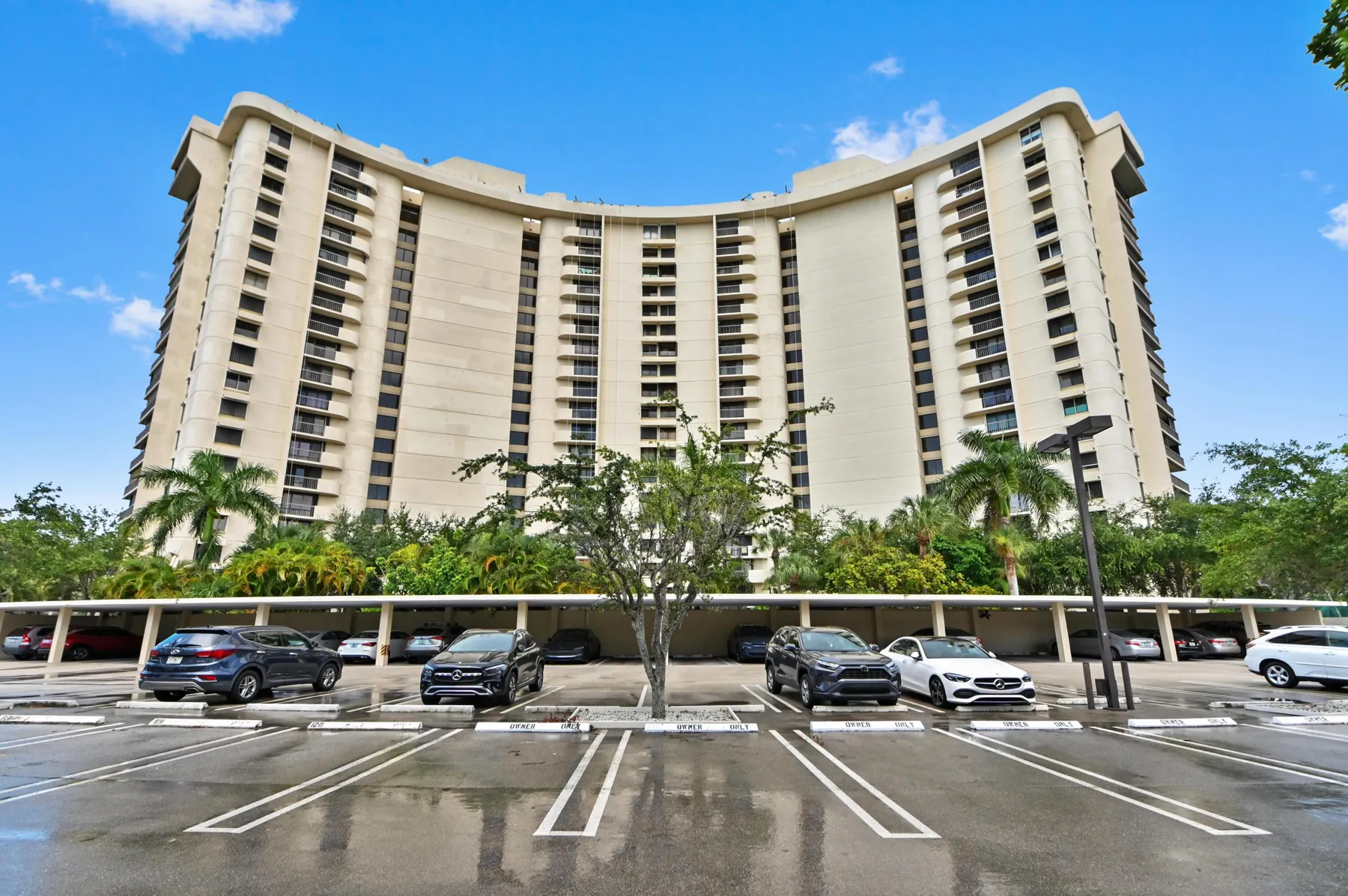
In Florida, a condo is insured by two policies: the association's master policy covers the building as originally built, and your own HO-6 policy covers the rest. Florida law makes the owner responsible for interior finishes such as flooring, cabinets, countertops, appliances and fixtures, plus personal belongings, liability and a share of association assessments. Flood is never part of either policy by default, so it needs its own coverage.
Two policies, one building
Every Florida condominium is insured in layers. The association buys a master policy for the building and pays for it out of the monthly maintenance fee. Each owner buys an individual unit owners policy, which the industry calls an HO-6, for what the master policy leaves out. Neither policy is complete on its own. The goal is that, between the two, every part of your home and your finances has a policy standing behind it.
This is general information, not advice for your specific situation, so confirm the details with your insurer, your association and, if needed, an attorney.

What the association insures under Florida law
Section 718.111(11), Florida Statutes, sets the rules for association insurance. The master policy must cover the condominium property as originally installed, or replacement of like kind and quality, including the structure, roof, exterior walls, common areas and building systems. The statute then carves out specific items that the association policy must exclude, and it says plainly that those items and the insurance on them are the unit owner's responsibility:
- All personal property inside the unit or in limited common elements that serve only your unit.
- Floor, wall and ceiling coverings.
- Electrical fixtures, appliances, water heaters and water filters.
- Built-in cabinets and countertops.
- Window treatments, including curtains, drapes, blinds and hardware.
So in a typical Florida high-rise, the association insures the shell and the drywall, and your HO-6 picks up the flooring, the kitchen, the bathroom finishes and everything you own. Your declaration of condominium and the master policy itself fill in the details, which is why the phrases "walls-in" and "walls-out" mean different things in different buildings. Ask the association manager for the current certificate of insurance and the declaration before you choose your coverage limits.
What an HO-6 policy covers
A unit owners policy usually has several parts, and each one does a different job:
| Coverage | What it pays for |
|---|---|
| Dwelling (Coverage A) | The parts of the unit the association does not insure: flooring, cabinets, countertops, fixtures, appliances and any upgrades. |
| Personal property | Furniture, clothing, electronics, art and other belongings. |
| Loss of use | Extra living costs if a covered loss makes the unit unlivable during repairs. |
| Personal liability | Claims if someone is hurt in your unit or you cause damage to a neighbor's unit, such as a leak. |
| Loss assessment | Your share of an association assessment after a covered loss to the common property. |
Under Section 627.714, an HO-6 policy is excess over any other policy covering the same property, which means the master policy pays first for anything it covers.

Loss assessment coverage deserves a second look
If a hurricane damages the building and the master policy's deductible or limits leave a gap, the association can levy a special assessment on every owner. Loss assessment coverage on your HO-6 helps pay your share when the loss is of a type your policy covers. Florida law requires every unit owners policy to include at least $2,000 of property loss assessment coverage, with a deductible of no more than $250.
That minimum is small next to a master policy's hurricane deductible. Higher loss assessment limits are commonly available as an option on an HO-6. Ask your association what its hurricane deductible is, divide it by your ownership share in the declaration, and use that number when you pick a limit.
Wind and hurricane deductibles
Most Florida HO-6 policies carry two deductibles: a flat one for everyday claims and a separate hurricane deductible. Under Section 627.701, insurers must offer hurricane deductible options of $500, 2 percent, 5 percent and 10 percent of the policy's dwelling limit, with some exceptions for higher limits. The hurricane deductible applies once per calendar year to all hurricane losses, not once per storm.
Because the percentage is based on the dwelling limit of your own policy, not the value of the condo, a percentage deductible on an HO-6 is often a manageable dollar amount. Read the declarations page to see the actual figure.
Flood is a separate policy
Neither a standard HO-6 nor most master policies cover rising water. As FEMA notes, most homeowners insurance does not cover flood damage, and an NFIP policy typically has a 30-day waiting period before it takes effect (with exceptions, such as coverage bought in connection with a mortgage closing). Condo associations in flood zones often carry a building flood policy, and owners can buy an NFIP dwelling policy for their unit and contents. Ground-floor units and townhouses on the water deserve particular attention, and lenders will require flood coverage when the building sits in a special flood hazard area.
Why lenders require an HO-6
If you finance, your lender will ask for proof of an HO-6 before closing. Fannie Mae's Selling Guide requires a unit owners policy whenever any part of the unit's interior or improvements is not covered by the master policy, or when the master policy has a per-unit deductible. The coverage must be at least the greater of the amount needed for the interior not covered by the master policy or the per-unit deductible, written on a replacement cost basis, with a deductible no higher than the greater of 5 percent of coverage or $2,500. Many cash buyers carry an HO-6 anyway, and some associations require it.
What drives Florida condo insurance cost
An HO-6 typically costs far less than a single-family homeowners policy, because the association insures the structure. The premium still varies widely. The main factors are:
- Your dwelling limit, which grows with the value of your kitchen, baths and flooring.
- Deductibles, especially the hurricane deductible you choose.
- Building age and construction, including the roof, windows, plumbing and whether it is concrete.
- Floor and location, since upper floors face less water risk and units near the coast face more wind.
- Loss assessment and liability limits.
- Claims history for you and, with some insurers, for the building.
The master policy matters too, because its premium flows into your monthly maintenance fee. When you compare buildings, put the maintenance fee and your expected HO-6 premium side by side. Our condo cost calculator helps you see the full monthly figure, and building guides such as The Envoy lay out fees and rules for a specific association.
If you would like a starting point, Raveis Insurance, an affiliate of William Raveis Real Estate, is one place to ask for a quote. You are free to choose any lender or insurer, and comparing a few quotes is always worthwhile.
Frequently asked questions
Is HO-6 insurance required in Florida?
State law does not require every owner to buy one, but lenders do when the master policy leaves part of the unit uninsured, and some associations require it in their documents. Most owners carry one.
What does the condo association's master policy cover in Florida?
Under Section 718.111(11), the master policy covers the condominium property as originally installed, such as the structure and common areas. It must exclude personal property and interior items like floor coverings, appliances, cabinets and countertops.
How much loss assessment coverage should I carry?
Florida requires at least $2,000, but that is often too little. Ask the association for its hurricane deductible, estimate your share from the declaration, and set your limit to match.
Does an HO-6 policy cover flood damage?
No. Flood needs a separate policy, such as one through the National Flood Insurance Program, which usually takes 30 days to take effect.
How much does condo insurance cost in Florida?
It depends on your dwelling limit, deductibles, the building's age and construction, the floor and location, and your claims history. Getting several quotes for the specific unit is the only reliable way to know.
General information only, not legal or tax advice. Listing details deemed reliable but not guaranteed. Published September 30, 2026.